April 20, 2026
Maintaining healthy trees around a property is not only about appearance or landscape value. It plays a direct role in reducing structural risks and avoiding costly damage. Trees that are left unmanaged can develop weak branches, unstable root systems, and hidden decay that increases the likelihood of failure during storms or periods of high wind. Consistent tree care helps identify and reduce these risks before they escalate into serious problems affecting homes, vehicles, and surrounding infrastructure.
A well-managed landscape also tends to age more predictably. Trees that receive ongoing attention are less likely to shift into hazardous conditions without warning, which reduces the chances of sudden, high-impact failures around occupied spaces.
Identifying Weak Structures Early
Regular inspections and assessments allow early detection of structural weaknesses such as split limbs, included bark, and internal decay. These issues are often not visible from the outside but can significantly reduce a tree's stability over time. When these vulnerabilities are addressed through ongoing tree care, the likelihood of sudden branch failure or full tree collapse decreases substantially.
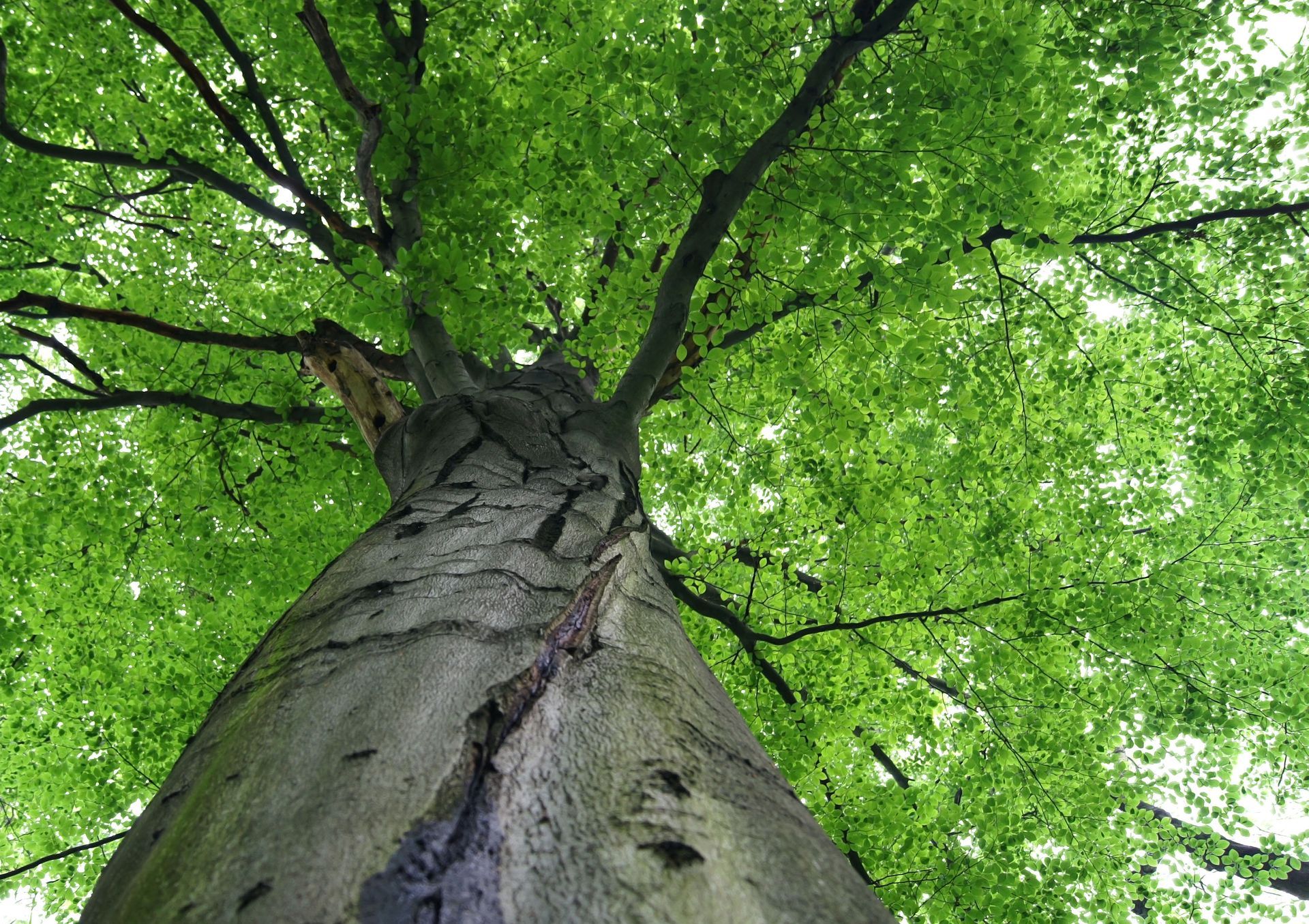
Poor structural development is one of the leading contributors to storm-related damage. Trees with heavy, uneven canopies or weak branch unions are more likely to fail under stress. Consistent evaluation helps reduce these risks before they lead to property impact. Early identification also helps prioritize which trees present higher risk profiles compared to others on the same property. This allows for a more structured approach to managing long-term safety concerns across the landscape.
Reducing Storm-Related Hazards
Severe weather events often expose weaknesses in trees that have not been maintained. High winds, heavy rain, and saturated soil can all contribute to root instability and branch breakage. Regular tree care helps prepare trees to better withstand these forces by reducing excess weight and removing compromised limbs.
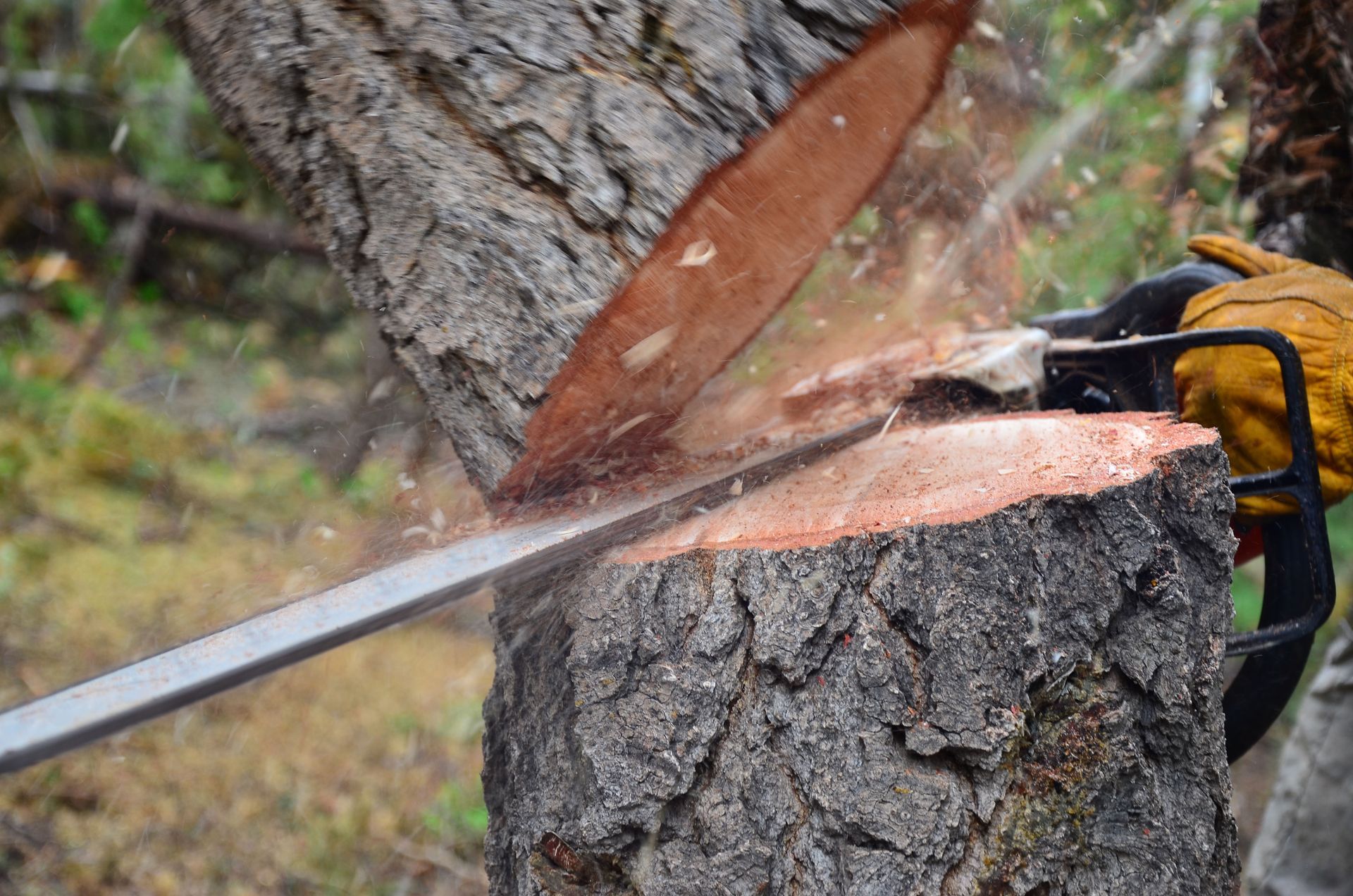
Trees with strong structural integrity and consistent maintenance are more likely to withstand storm conditions, while neglected trees are significantly more prone to failure and property damage. By addressing these risks in advance, the probability of falling branches or uprooted trees damaging roofs, fences, or vehicles is greatly reduced. In many cases, storm damage is not caused by entire trees falling, but by individual limbs failing under pressure. Reducing these weak points is a key focus of ongoing tree management strategies.
Managing Overgrowth Near Structures
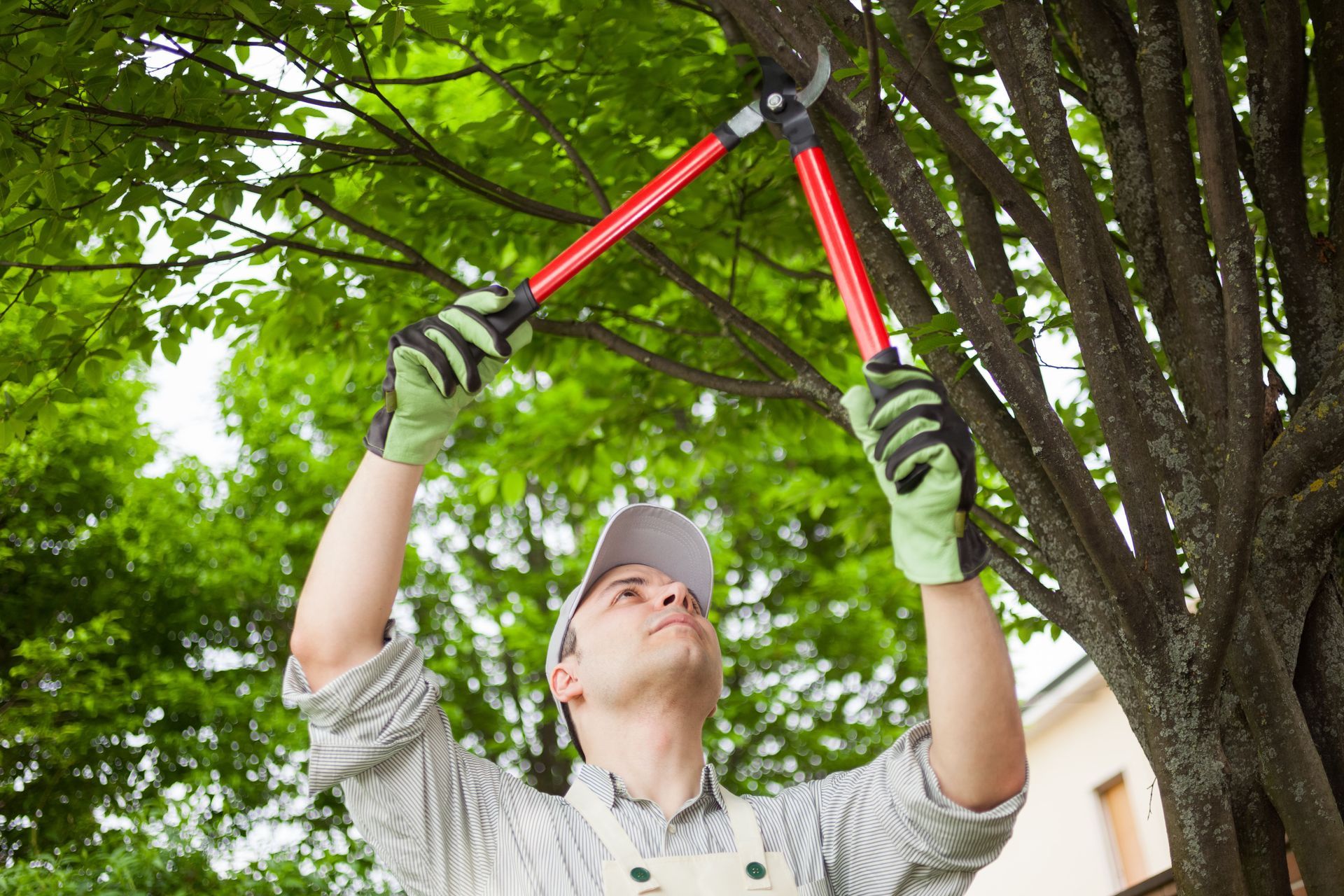
As trees grow, branches can extend toward homes, driveways, and utility areas. Without ongoing management, this proximity increases the risk of contact damage during wind events or seasonal storms. Regular tree care helps manage canopy spread and ensures trees maintain safe distances from structures and high-use areas.
Overgrown limbs can also create friction points against roofs or siding, leading to gradual wear or sudden breakage during storms. Controlled growth reduces these contact risks and supports safer spatial balance across the landscape. Over time, unmanaged growth can also block sunlight and restrict airflow around structures, contributing to moisture retention and surface deterioration. Proper spacing supports both safety and long-term property condition.
Improving Root Stability and Soil Conditions
Tree stability depends heavily on the health and distribution of its root system. Compacted soil, construction activity, or inconsistent moisture levels can weaken root anchoring over time. Structured tree care helps maintain favorable soil conditions and encourages stronger root development.
When root systems are compromised, trees become more susceptible to tipping during heavy rain or strong winds. Addressing these underlying soil and root issues reduces the chance of sudden structural failure that could impact nearby property. Root health also influences how evenly a tree distributes weight above ground. A stable underground structure supports more balanced canopy development and reduces uneven stress points.
Preventing Damage from Dead Branches
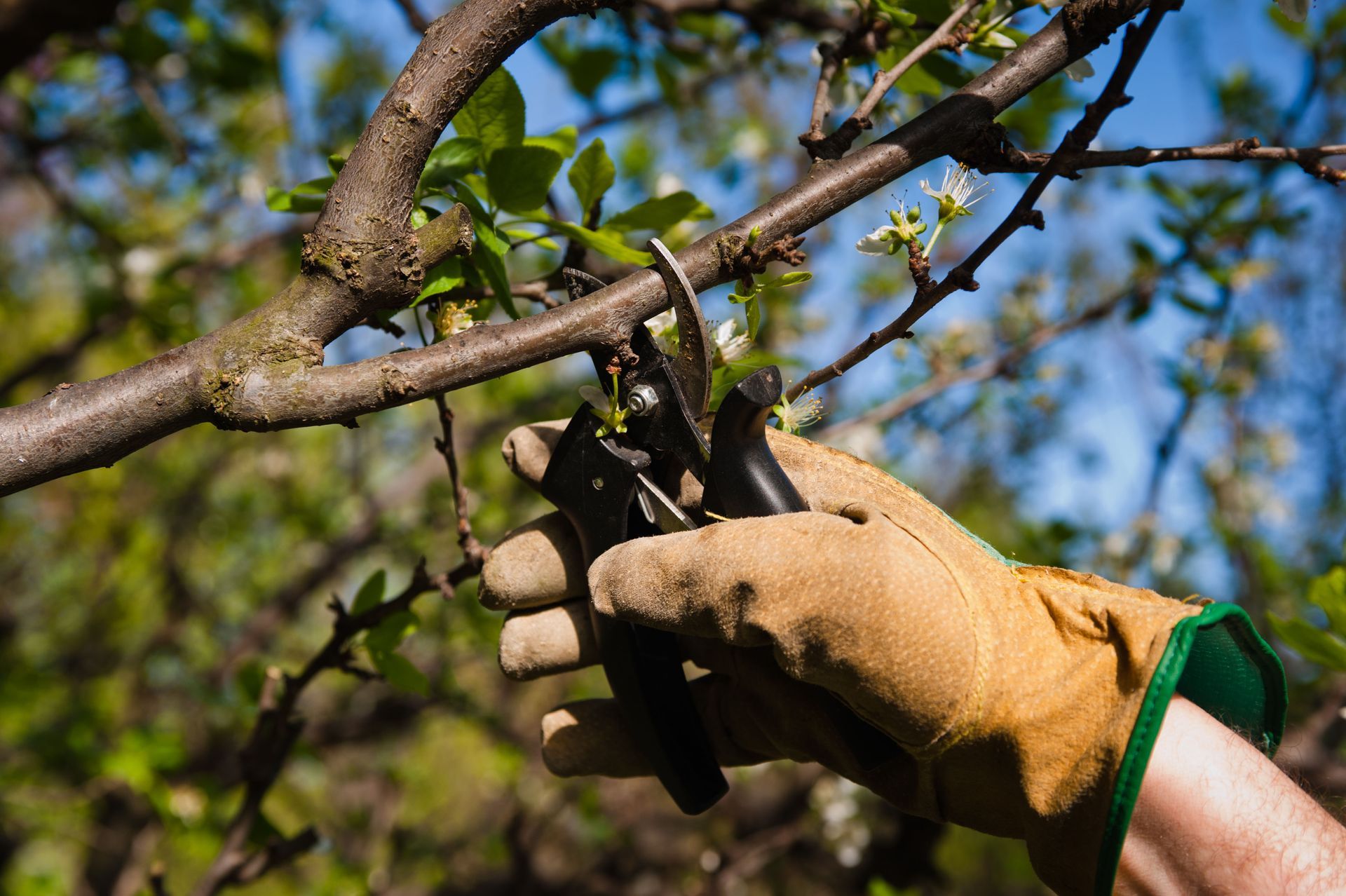
Deadwood accumulation is one of the most common causes of preventable property damage. Dry, weakened limbs can detach without warning, especially during storms or seasonal shifts. Ongoing tree care focuses on identifying and reducing these hazards before they become a threat.
Neglected trees often retain large dead branches within the canopy, increasing the likelihood of falling debris that can damage roofs, vehicles, or outdoor structures. Routine maintenance reduces this risk by removing unstable growth and improving overall canopy health. Removing declining sections also helps redirect the tree's energy toward healthier growth, improving overall structural balance over time.
Enhancing Long-Term Tree Stability
Long-term structural stability is achieved through consistent attention rather than reactive intervention. Trees that receive ongoing tree care tend to develop balanced canopies, stronger branch attachments, and improved resilience to environmental stress.
Well-maintained trees are less likely to experience sudden structural failure, which is one of the leading causes of property damage in residential and commercial environments. By supporting stable growth patterns, long-term risks are significantly reduced. Over multiple growth cycles, consistent care also helps reduce irregular weight distribution, which is a common factor in limb breakage during storms.
Supporting Risk Reduction
Trees growing in close proximity to structures, roads, or shared spaces require careful monitoring due to the potential impact of failure. Professional oversight helps evaluate risk factors such as lean angle, canopy density, and internal decay indicators. Incorporating regular tree care into property maintenance planning helps address these risks in a structured and proactive way.
According to IBISWorld, the tree care industry reached nearly $40 billion in revenue in 2025. This reflects the growing recognition of how important structured maintenance is for reducing environmental and structural hazards across properties. Ongoing evaluation also supports long-term planning decisions, such as which trees may require more frequent monitoring based on age, species, or environmental exposure.
Minimizing Liability and Property Disruption
Tree-related incidents can result in significant disruption, including structural repairs, cleanup costs, and temporary loss of property usability. Regular tree care reduces the likelihood of these events by addressing hazards before they escalate.
Well-maintained trees are less likely to cause unexpected damage, which helps limit interruptions and supports safer long-term property conditions. Preventive attention is often far less disruptive than post-damage response and recovery. This also helps reduce unexpected financial strain, as reactive repairs following storm events are typically more costly and complex than ongoing maintenance measures.
Maintaining a Balanced Landscape
A well-maintained tree population contributes to overall site stability. Balanced canopies, healthy root systems, and controlled growth patterns all work together to reduce environmental stress on surrounding structures. Consistent tree care ensures that trees remain an asset rather than a liability to the property.
This balance becomes especially important in areas exposed to seasonal storms or strong wind patterns, where unmanaged growth can quickly turn into a hazard. A balanced landscape also supports safer interaction between trees and nearby infrastructure such as sidewalks, fences, and utility lines.
Strengthening Property Protection
The cumulative effect of regular maintenance is a significantly lower risk of tree-related property damage. By addressing structural weaknesses, managing growth, and improving overall tree health, ongoing tree care acts as a preventive layer against avoidable losses.
Properties with consistent maintenance practices experience fewer emergencies related to falling limbs or uprooted trees, especially during extreme weather conditions. This long-term approach supports both safety and predictability, making it easier to manage environmental risks across seasons.
Regular maintenance plays a critical role in reducing the likelihood of structural damage caused by unstable or overgrown trees. Through consistent tree care, property owners can significantly lower the risks associated with storms, decay, and uncontrolled growth while supporting long-term landscape stability. For property owners looking to improve property resilience and reduce environmental risks, consistent, professional tree care provided by Dundee Tree Service LLC offers a practical and proactive path forward. Contact us to learn more.