May 30, 2026
Managing the vegetation on your property is a significant responsibility that requires a balance between aesthetic goals and safety requirements. Many property owners find that as their landscape matures, certain trees may begin to pose risks or interfere with the structural integrity of nearby buildings and utilities. In these situations, understanding the various phases of the process is essential for ensuring a positive outcome. Whether you are dealing with a diseased limb, a hazardous leaning trunk, or simply wish to clear space for a new construction project, the right approach makes all the difference in achieving a clean and secure result.
Professional Site Evaluation Steps
The first interaction with a provider of tree removal services usually centers on a comprehensive site assessment. This phase is more than just a quick look at the tree in question; it is a deep dive into the specific conditions of your property. A qualified technician will visit your location to discuss your goals and examine the specimen from multiple angles. During this consultation, they identify the species, measure the height, and evaluate the diameter of the trunk. Identifying the species is vital because different types of wood have varying weights and structural characteristics that dictate which tools will be the most effective. This level of planning is what separates a professional operation from an amateur attempt. According to This Old House, the time required to complete the extraction of a tree can vary significantly, ranging from approximately a quarter of an hour to several hours, largely determined by the specific species and total volume of the timber. By accounting for all these variables during the evaluation, the provider can offer a realistic timeline and ensure that the crew arrives on-site with the exact equipment needed to handle the unique challenges of your specific landscape.
Clear Cost Calculation Methods
Once the assessment is complete, the focus shifts to the financial aspect of the project. Transparent tree removal services provide property owners with a detailed quotation that breaks down exactly where the investment is going. The cost is rarely a flat fee; instead, it is a calculation based on several primary factors identified during the site visit. The height and diameter of the tree are usually the most significant drivers of price, as larger specimens require more labor, more time, and heavier machinery. Accessibility also plays a major role in the final number. If the crew can easily park a truck next to the trunk, the process is much faster than if they have to carry every branch through a small side yard. The quotation should clearly list the services included, such as the initial felling, the processing of limbs into chips, and the removal of the heavy trunk sections. It is also beneficial to check if stump grinding or site restoration is bundled into the price or offered as an optional add-on. This clarity prevents any surprises when the final invoice arrives and allows you to compare different providers accurately.
Modern Timber Extraction Styles
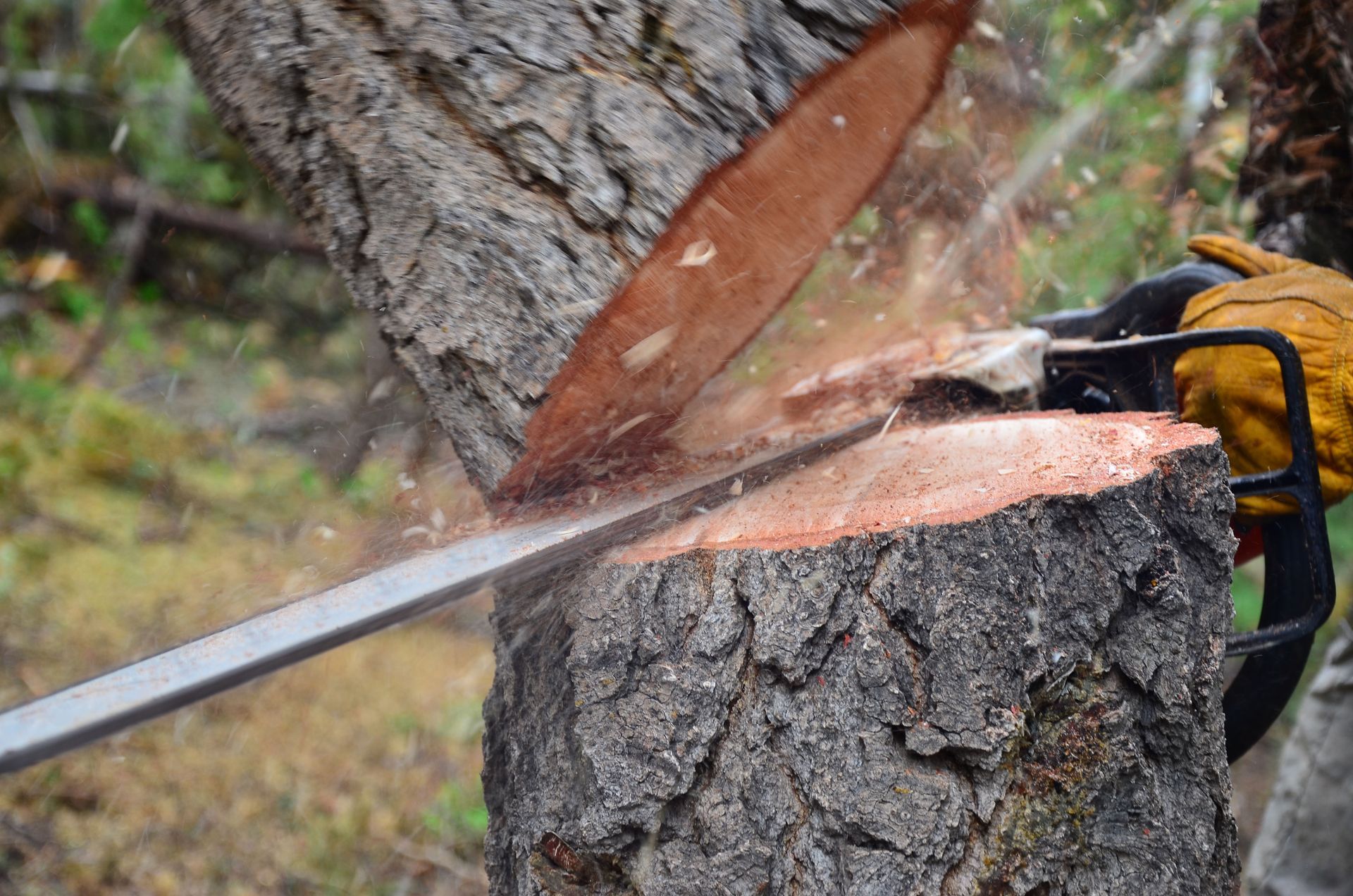
The actual removal of a tree is a technical feat that utilizes various extraction styles depending on the situation. For trees in open areas, the traditional method involves a controlled directional fell, where the crew uses precise cuts at the base of the trunk to guide it to a clear landing zone. However, in residential settings, space is often at a premium, requiring more advanced techniques. One of the most common styles used by tree removal services today is sectional felling. In this scenario, a climber or a technician in a bucket truck dismantles the tree from the top down. Each branch is carefully cut and then lowered to the ground using a system of ropes and pulleys known as rigging. This method is incredibly precise and prevents heavy pieces of wood from impacting the lawn or nearby structures. For extremely large trees or those in precarious positions, a crane may be brought in. The crane holds the section of the tree as it is being cut and then lifts it over the house or other obstacles to a safe processing area on the street. This mechanized approach is often the safest and fastest way to handle massive amounts of timber in a confined environment.
Strict Safety Management Rules
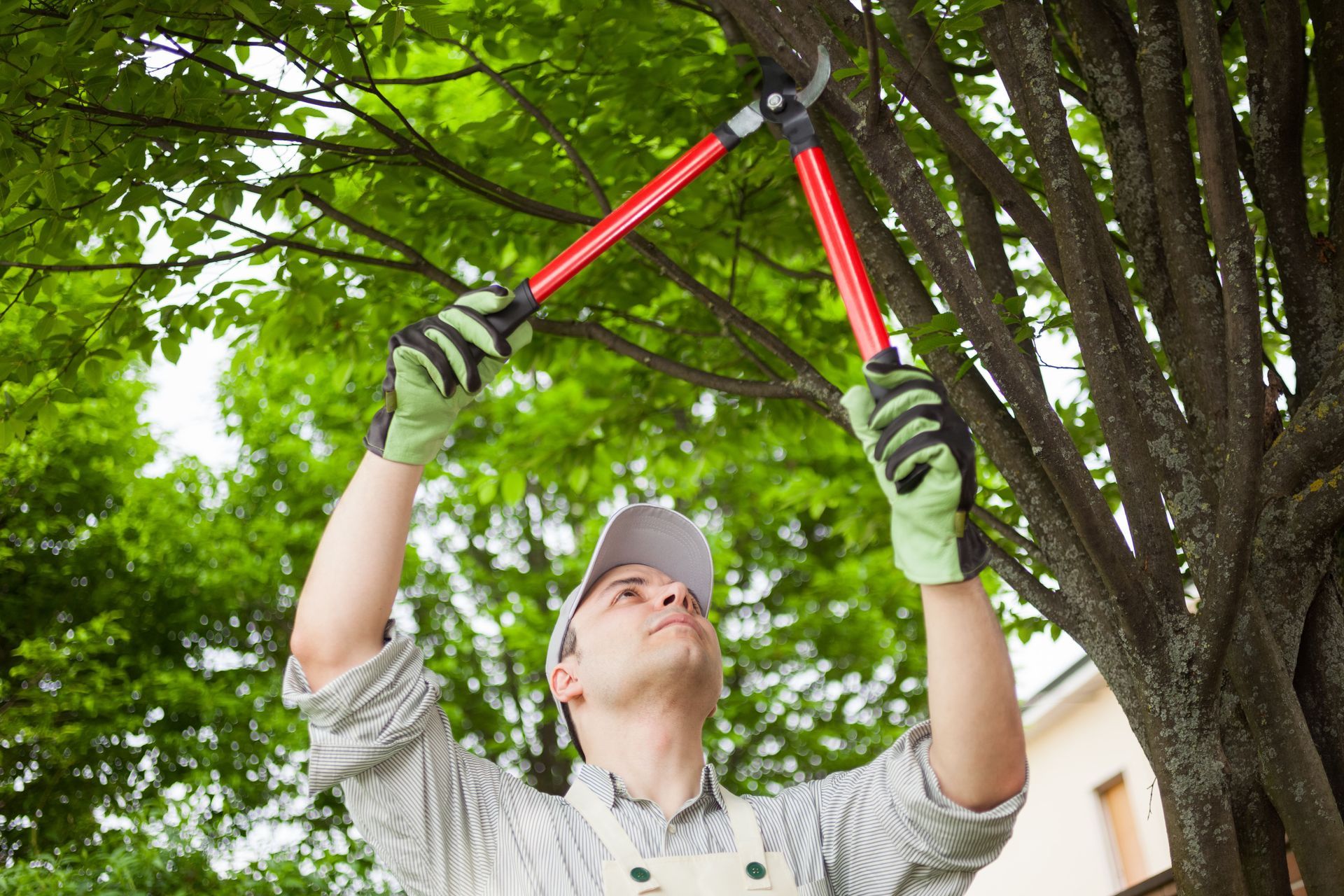
Safety is the foundational element of every professional operation involving tree removal services. Because the work involves high elevations, heavy machinery, and the unpredictable movement of large timber, strict management rules are enforced to protect everyone involved. This begins with the personal protective equipment worn by every crew member. Helmets, eye protection, and specialized gloves are mandatory, and climbers utilize high-strength harnesses and equipment that are inspected daily for signs of wear. Beyond individual gear, the crew establishes a secure work zone around the tree. This area is often marked with cones or tape to prevent bystanders, children, or pets from entering the danger zone. A dedicated ground crew is responsible for managing the falling debris and communicating with the climber through hand signals or radio systems. This constant communication ensures that everyone on the team knows exactly when a cut is being made and where the wood will land. By maintaining a clean and organized ground area, the team reduces the risk of trips or falls, which are common hazards in the industry
Thorough Yard Restoration Tasks
After the tree has been successfully removed, the final phase of the project involves thorough yard restoration. This is a critical step because the extraction process can be messy, leaving behind a significant amount of organic waste. Professional tree removal services prioritize a comprehensive cleanup to return your landscape to a neat and functional state. The ground crew uses rakes and blowers to collect every twig, leaf, and wood chip, ensuring that your lawn is clear of debris. Most providers use a high-capacity wood chipper to process the branches into mulch, which can either be hauled away or left for your use in garden beds. The larger trunk sections are either loaded onto a trailer for disposal or cut into manageable logs if you wish to keep the wood for a fireplace. Once the debris is cleared, the focus turns to the area where the tree once stood. If the stump is left behind, it can become a trip hazard or a magnet for pests like termites. Therefore, many homeowners choose to include stump grinding in their service package.
Deciding to invest in professional tree removal services is a proactive step toward maintaining a safe and beautiful home. Throughout this blog, we have explored the intricate layers of the process, from the initial site evaluation and technical extraction methods to the rigorous safety protocols and essential legal compliance. By prioritizing these professional standards, you protect your property’s value while ensuring the long-term vitality of your landscape.
Choosing a qualified team means you can navigate complex local regulations and technical challenges with complete confidence. Taking the time to prepare and choose the right partner will lead to a successful outcome that supports the health of your local environment. This dedication to quality and detail guarantees a seamless transition for your yard, providing a secure space for your family to enjoy for years to come. For personalized assistance with your property, reach out to Dundee Tree Service LLC today.